Why Every Workplace Needs Trained First Aiders
A well-trained team is a company’s greatest safety asset. When emergencies arise — from minor cuts to cardiac arrests — having a trained first aider on site ensures immediate care before professional help arrives.
Studies show that quick first aid intervention significantly reduces recovery times and prevents minor injuries from becoming major ones. It also reassures staff that their wellbeing is valued, fostering a stronger, more positive workplace environment.
At Safety and Security Solutions, our certified First Aid Essentials and Cardiac First Response (CFR) courses provide employees with essential life-saving skills while helping organisations meet health and safety requirements.
Key Benefits of First Aid Training
1. Faster Emergency Response
Medical emergencies can occur at any moment — choking, burns, fainting, or cardiac arrest. When employees are trained, they can take immediate action while waiting for paramedics, potentially saving lives.
2. Compliance with Health and Safety Legislation
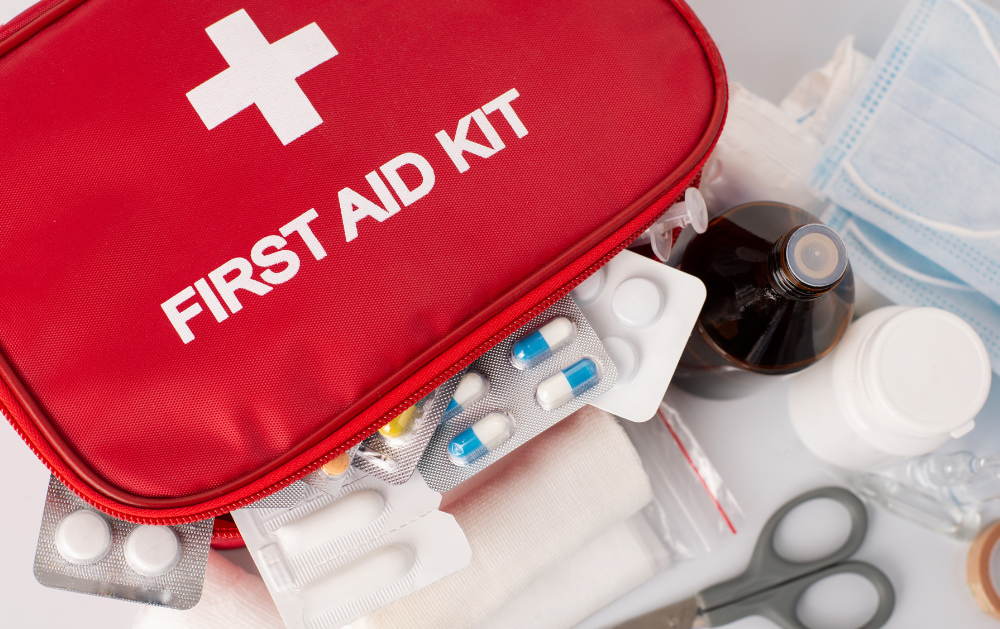
Irish employers are legally required to ensure employees’ health and safety, including adequate first aid facilities. Regular First Aid at Work training ensures compliance and demonstrates due diligence during audits or inspections.
3. Reduced Workplace Accidents
Training makes employees more safety conscious. They learn to identify hazards early, follow safety protocols, and minimise the likelihood of accidents.
4. Improved Employee Confidence and Morale
When staff know how to react in emergencies, they feel empowered and valued. This sense of preparedness extends beyond work — trained employees can assist family, friends, or the public in emergencies.
5. Safer Schools and Childcare Environments
For staff in education or childcare, First Aid for Schools and Paediatric First Aid training are essential. These courses focus on age-specific emergencies such as choking, allergies, and asthma attacks.
Building a Culture of Care and Preparedness
Workplace safety doesn’t stop with a single course. Refresher training ensures first aiders remain confident and up to date with the latest procedures. Many organisations also integrate digital learning options, such as eLearning Courses, to make training accessible for hybrid or remote teams.
Creating a safety-first culture means encouraging open communication, visible leadership support, and ongoing investment in training. When employees see that their organisation values safety, they naturally adopt safer habits in their daily routines.
For further guidance, employers can visit the Health and Safety Authority (HSA) to review Ireland’s current first aid and workplace safety regulations.
Conclusion
Every second counts during a medical emergency. First aid training empowers employees to act decisively, protect colleagues, and save lives. Beyond compliance, it strengthens teams, builds confidence, and reflects a genuine commitment to employee wellbeing.
At Safety and Security Solutions, we offer certified first aid and emergency response courses tailored to workplaces of all sizes. From CPR and AED use to wound management and medical emergency response, our programmes prepare teams to handle the unexpected with professionalism and calm.
Investing in first aid training today ensures a safer, more resilient workplace tomorrow.