
Proper training not only ensures compliance but also:
-
Prevents accidents through awareness
-
Equips staff with life-saving skills
-
Protects business continuity
-
Reduces insurance risks
At Safety and Security Solutions, we provide a full range of Fire Safety Training programmes, from basic awareness to advanced fire marshal and warden courses.
Essential Steps for Fire Safety Compliance
1. Conduct a Fire Risk Assessment
Every workplace should carry out a comprehensive fire risk assessment to identify hazards such as faulty wiring, blocked exits, or combustible materials. This assessment should be regularly reviewed and updated to reflect any workplace changes.
2. Train Employees in Fire Prevention and Response
All staff must understand fire prevention techniques and know how to react in an emergency. A structured Fire Safety Training course covers extinguisher use, alarm systems, and evacuation protocols.
For leadership roles, Fire Marshal and Fire Warden Training ensures that designated staff can take charge during an evacuation.
3. Establish Clear Evacuation Procedures
Evacuation plans must be clearly displayed and practiced regularly. Staff should know the nearest exits, assembly points, and their roles during fire drills. Practicing ensures calm, efficient responses when emergencies occur.
4. Provide Access to Fire Equipment
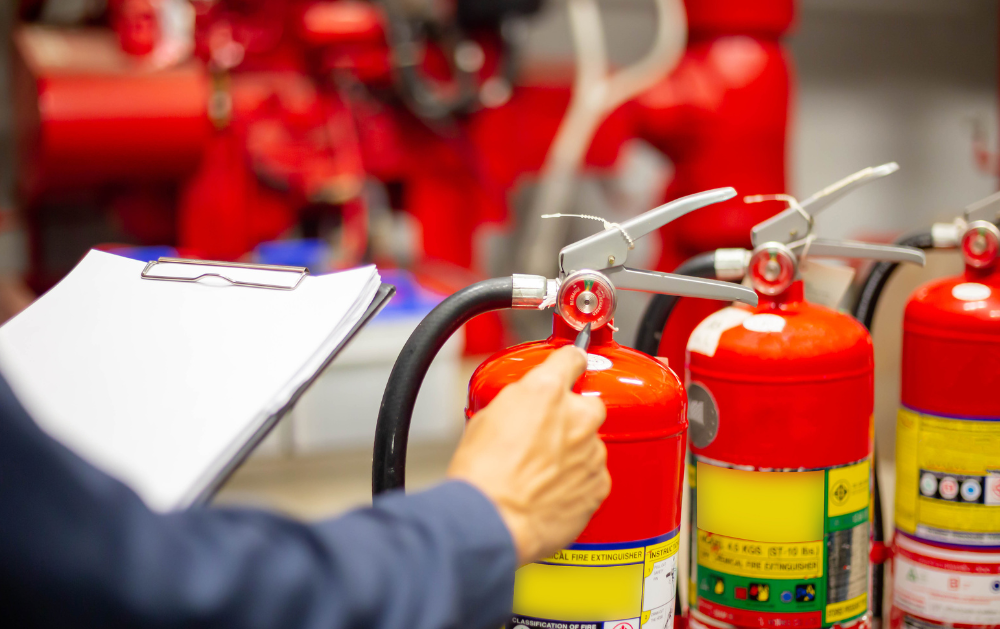
Workplaces should have easily accessible fire extinguishers, alarms, and emergency lighting. Training must include instruction on how and when to use extinguishers safely. Regular maintenance and checks are essential to compliance.
5. Schedule Regular Fire Drills
Fire drills test the effectiveness of evacuation plans and identify gaps in training. They are an essential compliance step and should be conducted at least annually — more often in high-risk industries.
6. Keep Records for Compliance
Documentation is crucial. Fire risk assessments, training records, drill logs, and equipment checks must be recorded and available for inspections.
Building a Fire-Safe Culture
Fire safety isn’t just about drills and equipment — it’s about building a culture of awareness and responsibility. Leadership commitment, clear communication, and regular refresher training ensure that fire safety is part of everyday workplace practice.
Flexible eLearning Courses also allow employees to refresh their knowledge anytime, ensuring ongoing compliance.
For additional guidance, organisations can consult the European Fire Safety Alliance for best practices in workplace fire prevention.
Conclusion
Fire safety training is a vital element of workplace compliance. By carrying out risk assessments, training employees, appointing fire wardens, conducting drills, and maintaining records, organisations can safeguard lives and property while meeting legal obligations.
At Safety and Security Solutions, we specialise in delivering accredited fire safety training that keeps businesses compliant and prepared. Whether you need basic awareness, fire warden certification, or refresher training, we provide tailored solutions for every workplace.
Don’t wait for an emergency to test your preparedness — act today and protect your people, your assets, and your reputation.